
Schladming, a picturesque alpine town famous for winter sports and sustainability initiatives, is now pioneering a new frontier in renewable energy with this floating PV system. The initiative supports the ski resort’s energy needs while reducing reliance on fossil fuels, aligning with broader climate and environmental goals.
The Planai-Hochwurzen Cable Car Company is pursuing an ambitious goal: by 2029, 16% of its electricity needs are to be covered by self-generated renewable energy. As part of a comprehensive photovoltaic (PV) strategy, new projects are implemented each year on suitable surfaces.
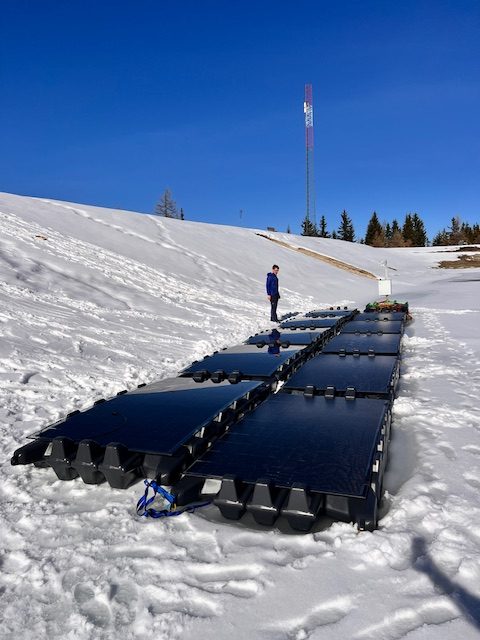
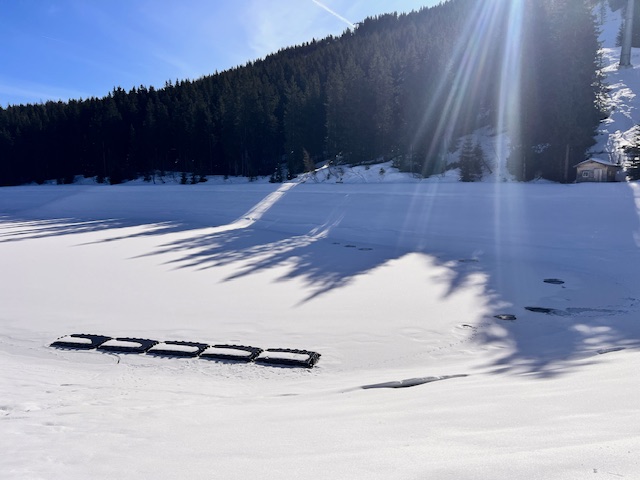
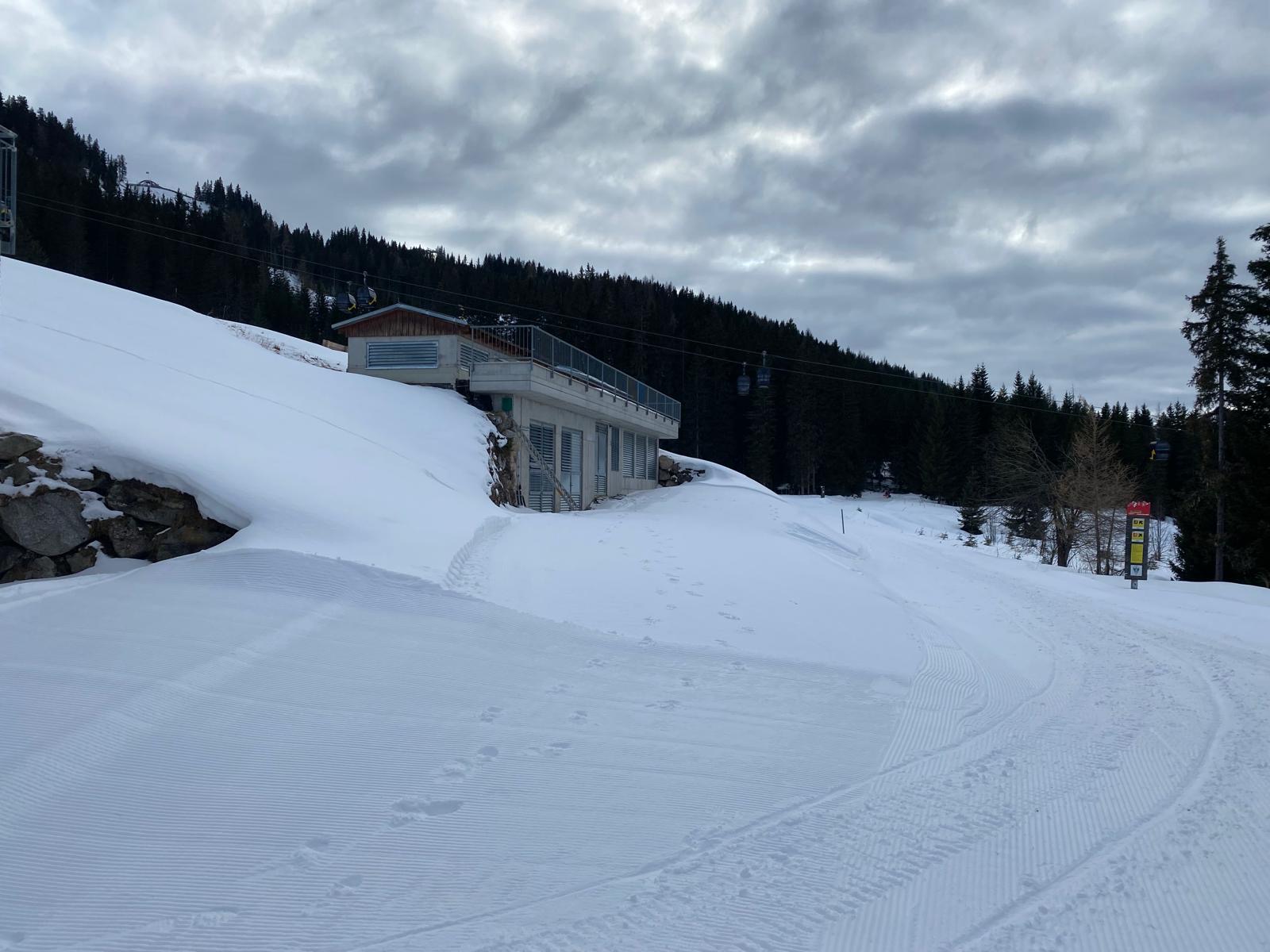
The company is open to innovative approaches, as demonstrated by a current pilot project involving a floating photovoltaic system on a reservoir pond at Planai.
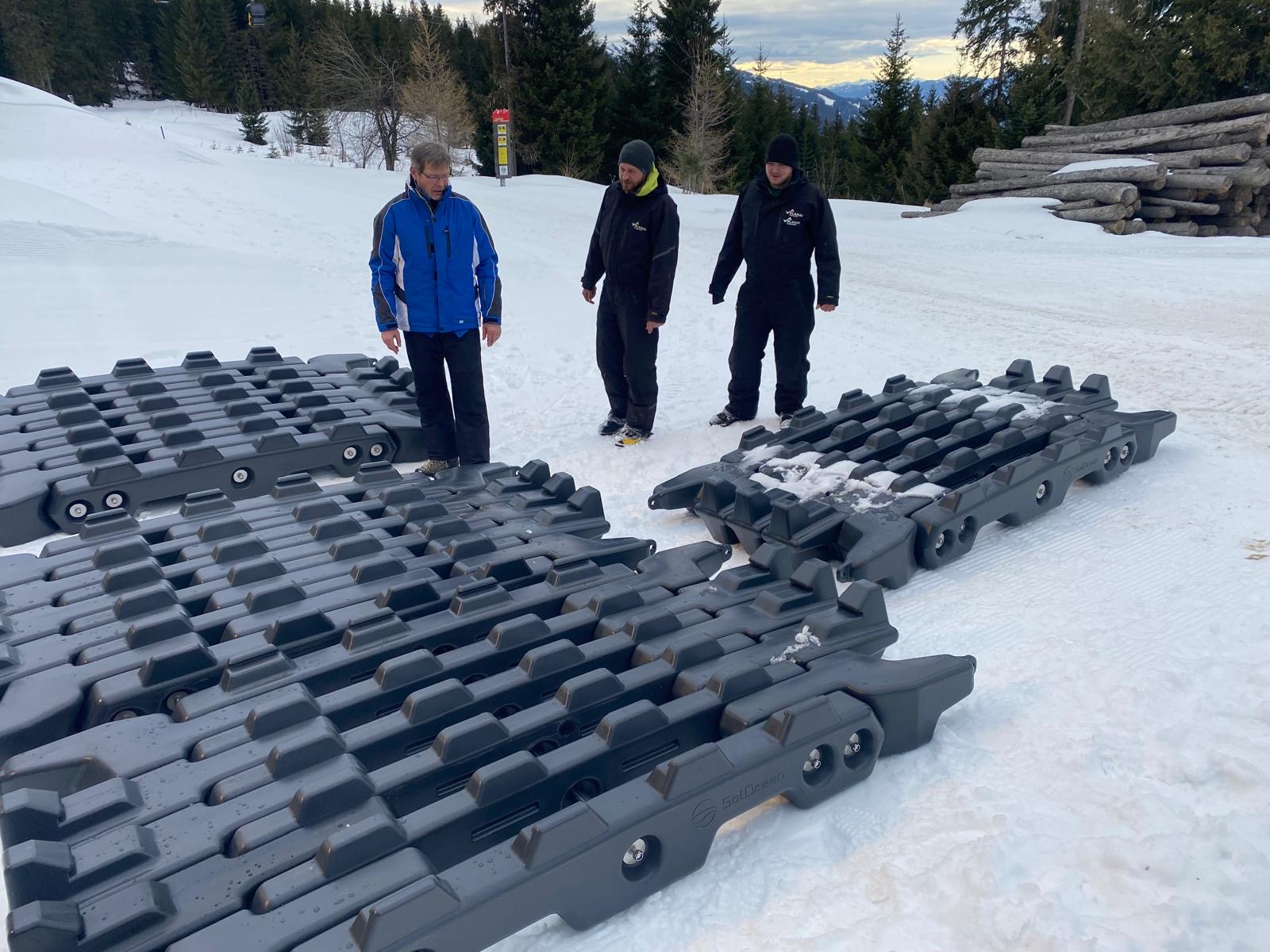
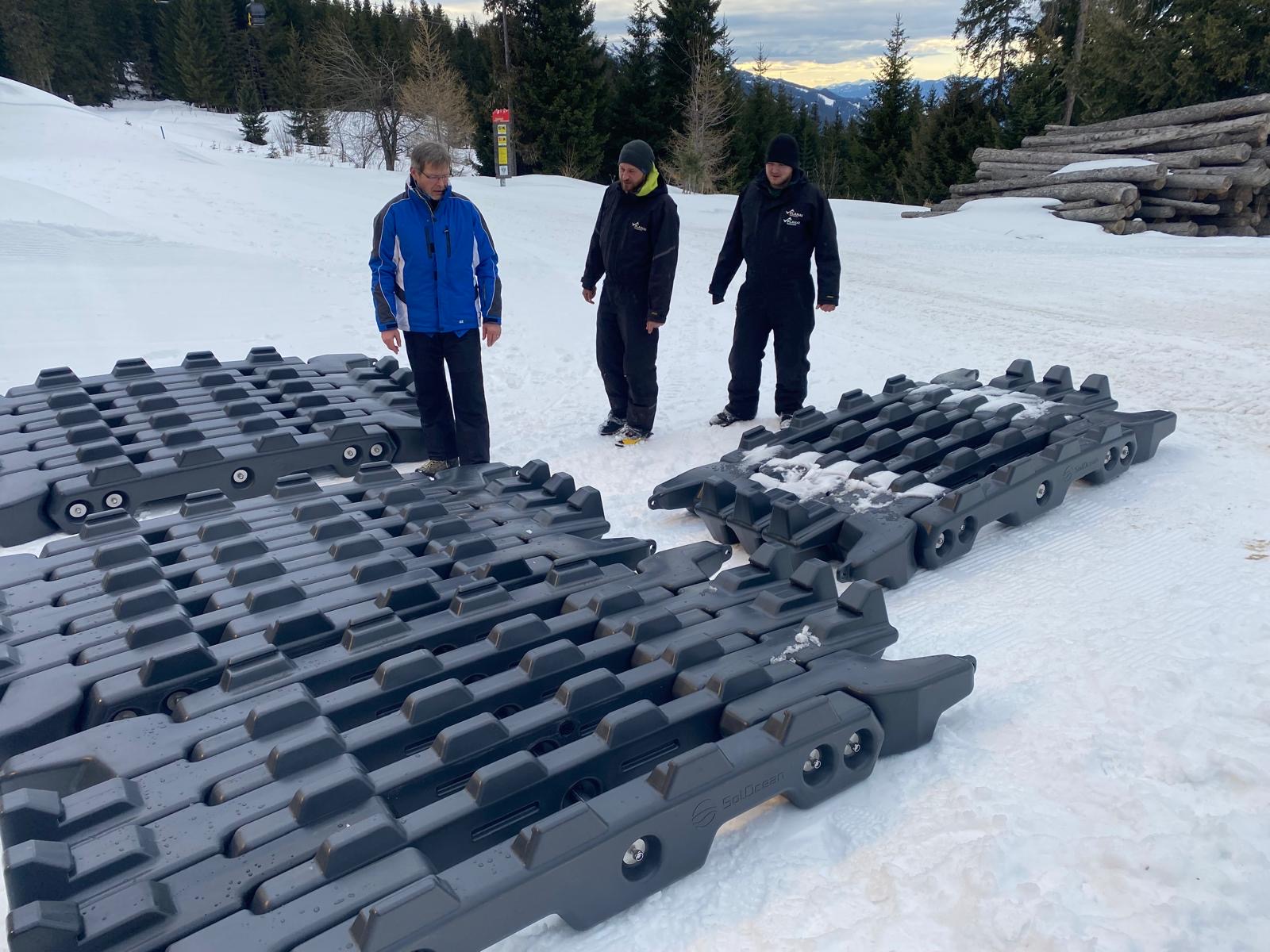
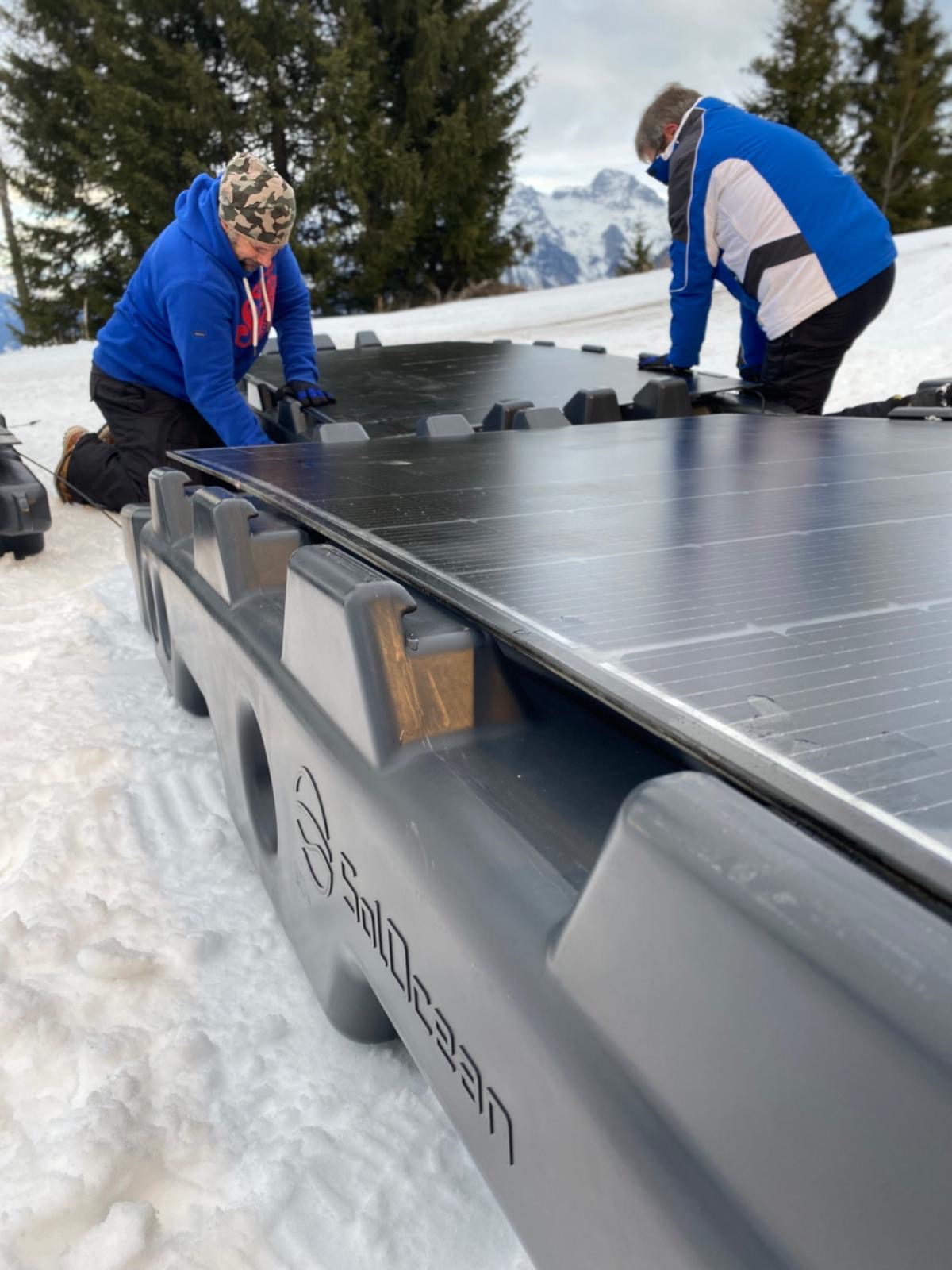
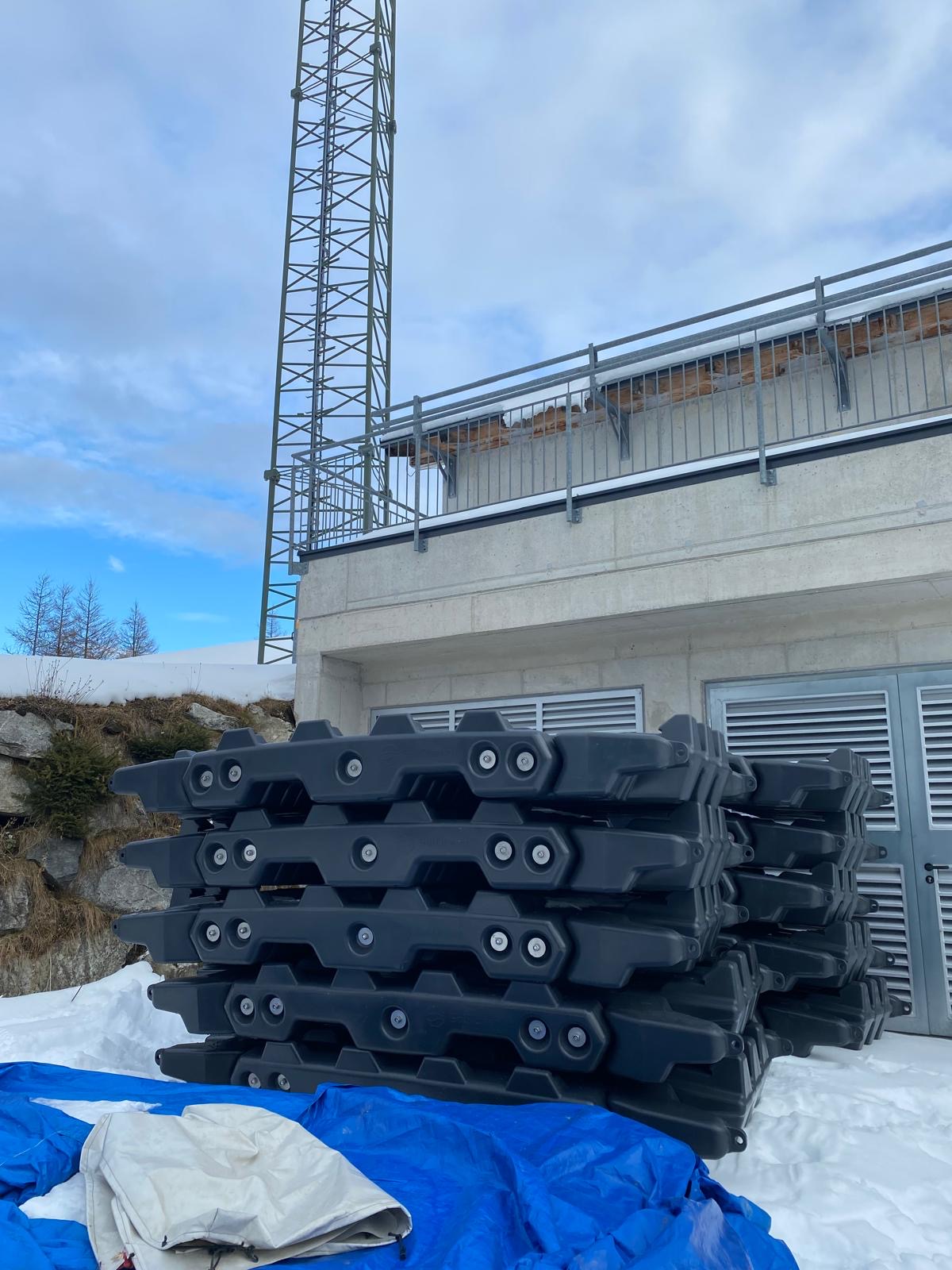
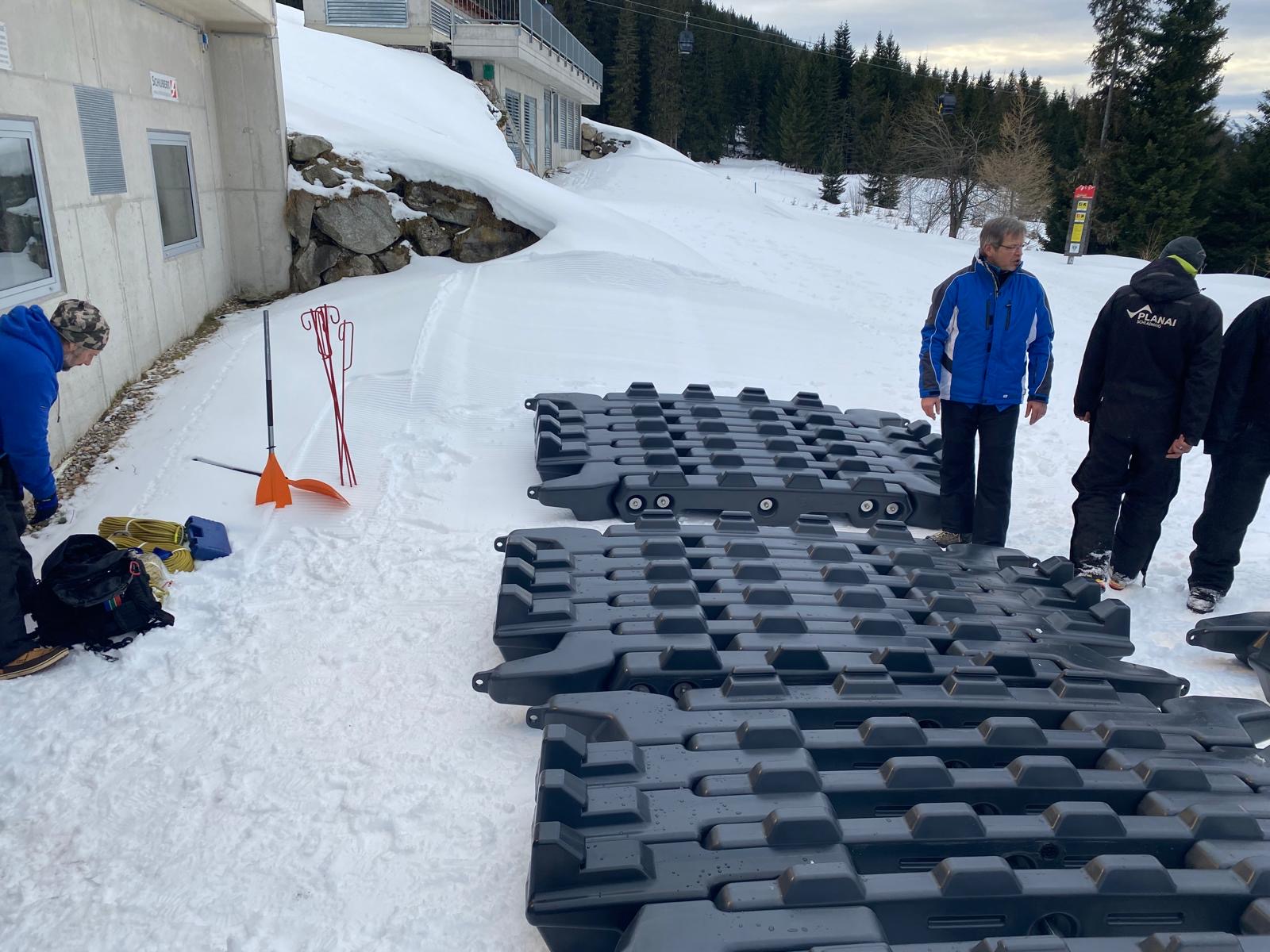
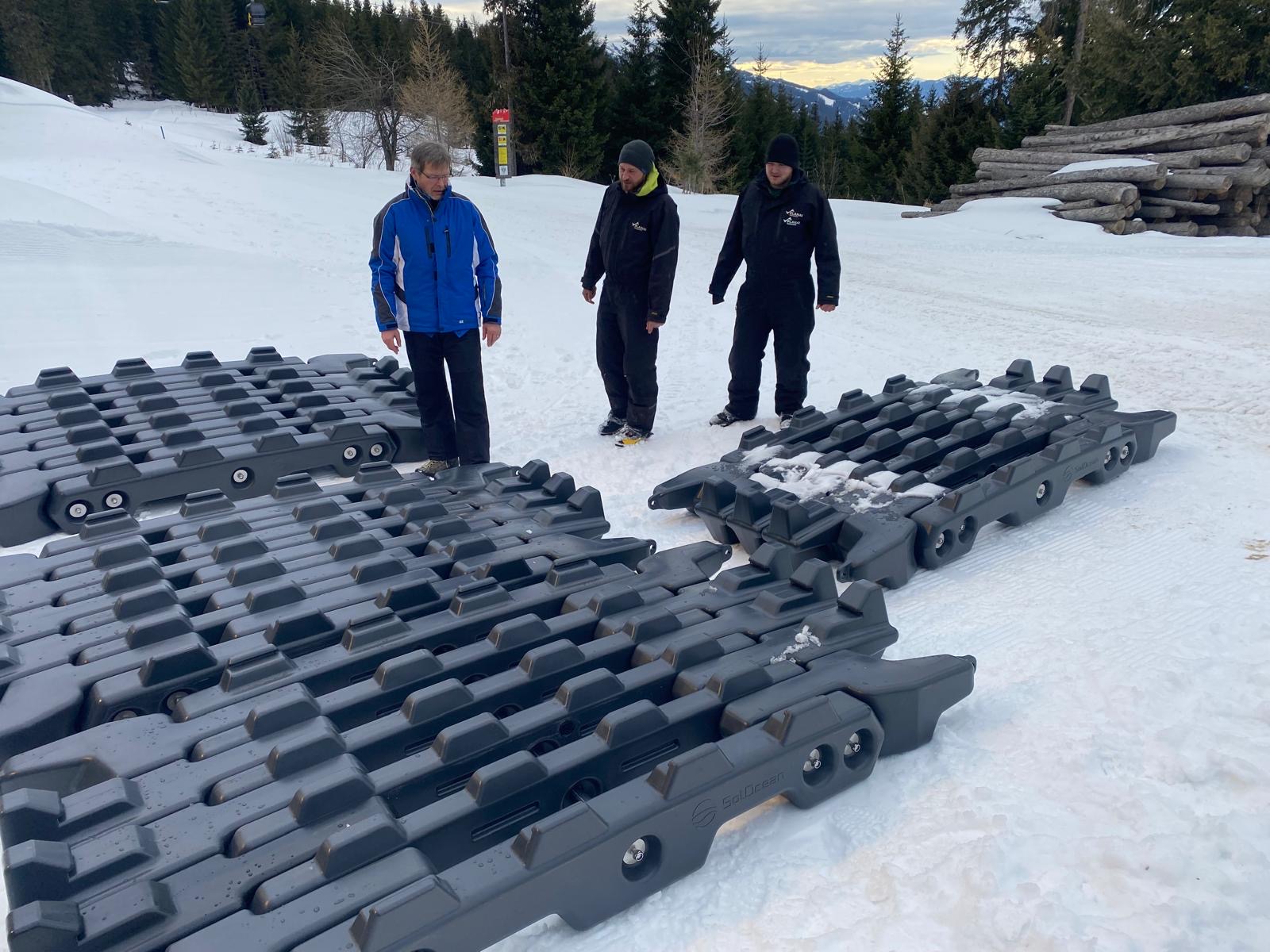
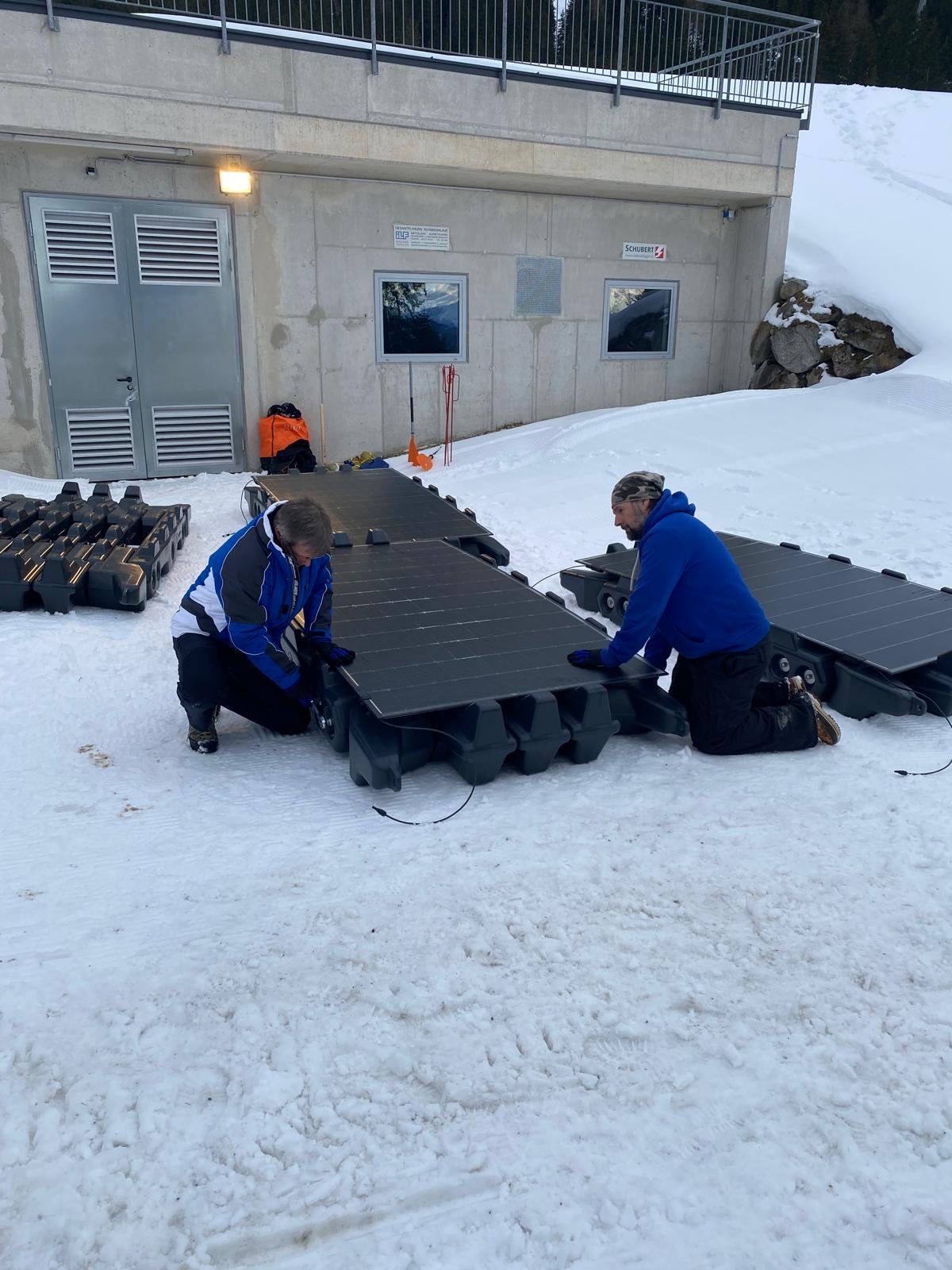
After the initial five panels — specifically developed to meet the requirements of high mountain regions — were installed in January, the system was expanded to a total of ten panels with a combined output of 6 kW at the beginning of March. During the test phase through the end of March, the focus is on the impact of extreme alpine weather conditions. Particular attention is given to the resilience of the floating structures against ice formation, snow load, and meltwater.
“As a pioneer in the expansion of photovoltaics, we are open to innovative solutions that drive our vision of a sustainable energy future forward. With this pilot project for a floating PV system, we hope to gain valuable insights into the potential of this technology for the future of renewable energy in alpine climates,” says Director Georg Bliem, CEO of Planai-Hochwurzen Cable Car Company.
This newly developed, patented technology from SolOcean in cooperation with Stonehill opens up new possibilities for generating photovoltaic power in alpine areas. In collaboration with measurement technology producer TELE Haase, this innovative solution is being further optimized to meet the unique challenges of the alpine region.
Why Floating PV?
Floating PV systems offer a compelling solution in areas where land use is limited or where water bodies are underutilized. By placing solar panels directly on the surface of water, this technology delivers a range of benefits:
- Space Efficiency: Ideal for regions where land is scarce or reserved for agriculture, tourism, or conservation.
- Increased Efficiency: The cooling effect of the water beneath the panels helps maintain lower operating temperatures, improving solar panel performance.
- Reduced Water Evaporation: The panel coverage limits evaporation from reservoirs—an added environmental benefit.
- Algae Growth Suppression: By limiting sunlight penetration, the system can reduce excessive algae growth in the water.
- Dual Use of Resources: Reservoirs, dams, and other water bodies can now serve as energy-generation hubs, enhancing their utility.
This project in Schladming showcases the synergy between technology and nature, proving that even in alpine environments, innovative renewable energy solutions can thrive. With snow canons playing a critical role in maintaining ski conditions, especially amid changing weather patterns, ensuring a sustainable and independent energy supply is more important than ever.